Trending

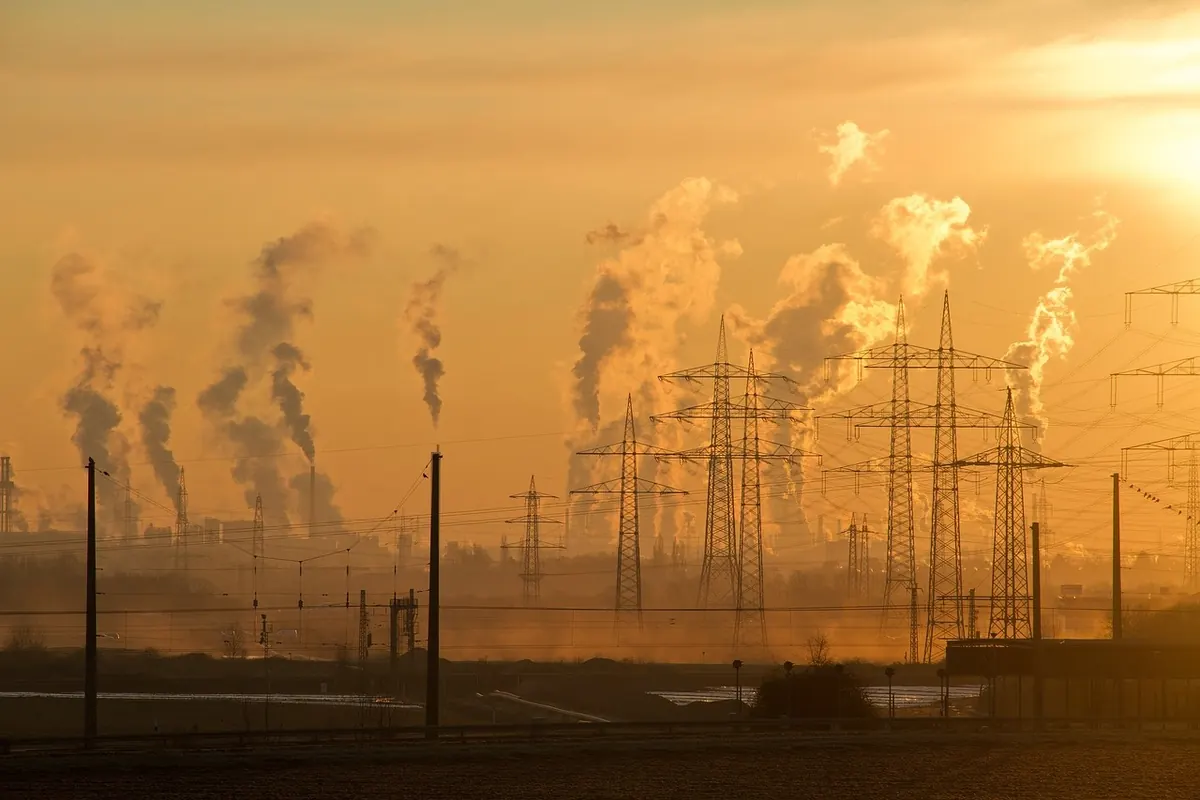
A flare is the last line of defence on a process plant, and most of the time it does its job invisibly: a clear, faintly blue flame that nobody notices. Then something changes. The plume darkens, the flame goes bushy and orange, and black smoke rolls downwind. Whether it is a refinery, a terminal or an offshore platform, the question is the same — what changed, and how do we get back to a clean burn?
Smoke from a flare is soot: carbon particles formed when hydrocarbon molecules break down in a hot, oxygen-starved zone and do not find enough oxygen, temperature or time to burn. In a flare, combustion happens in open air with no burner walls to hold heat, so the three levers you have are mixing, temperature and residence time. Anything that reduces one of them shows up as smoke.
Gas composition matters enormously. Light streams such as methane, ethane and hydrogen-rich fuel gas burn cleanly with little assistance. Aromatics, heavy ends and unsaturated molecules crack to soot far more readily. This is why the same tip can run smokelessly for months on dry fuel gas and then smother the sky when a heavy hydrocarbon slug or a rich relief stream arrives.
A flare tip has two capacities. Its hydraulic capacity is the flow it can pass without excessive pressure drop or flame stability problems. Its smokeless capacity is the flow it can burn without visible smoke, given the gas composition and the assistance available. The second number is almost always lower, and it falls as the gas gets heavier. Manufacturers publish steam or air demand curves against flow and molecular weight; those curves are the starting point for any serious troubleshooting.
Before adjusting anything, identify why the tip is struggling. In practice, the culprits are a short list:
Steam injected at the tip does three things: it draws in combustion air, it creates turbulence that mixes gas and air, and it shields the tip from heat. Used well, it is remarkably effective. Used badly, it wastes money, makes noise and can extinguish the flame.
Steam demand is normally expressed as a mass ratio against the hydrocarbon being flared, not a volume ratio, and the correct figure depends on the tip design and the gas composition. Adjust by observation rather than by memory. Add steam until the smoke clears, then stop. A good operator reads the flame: a light haze over a yellow-gold flame is often the point where the last wisps of black disappear. If you cannot clear the smoke even at high steam rates, the problem is not the steam — look at tip condition, liquids or composition.
Over-steaming carries its own penalties. Excess steam cools the flame, can lift it off the tip and, in a light gas stream, blow it out altogether. It also raises operating cost and noise, and adds to the water load on the flare header. Check the pressure available at the tip, not at the manifold; a 1 bar drop along a steam line changes everything at the nozzles. If condensate is a persistent issue, look at trapping and line insulation before blaming the tip.
Where steam is unavailable or uneconomic, air-assist tips use blowers or compressed air to drive the same mixing effect. They suit low-pressure gas and are common at terminals and on smaller plants. The trade-offs are power consumption, noise and the maintenance burden of the blower and ducting.
Beyond assistance, several other routes restore a clean burn:
Smokeless performance is designed in. Steam nozzle size, angle and spacing are set for a particular steam pressure and flow range; drilling new holes, removing nozzles or fitting an unapproved replacement can destroy the very mixing pattern the tip relies on. Purge gas matters too — a continuous purge keeps air out of the tip and header, preventing internal burn-back and the far more serious risk of an explosive mixture forming in the system.
Inspect tips when you get the chance. Thermal cycling, erosion and sour service all take a toll, and small defects have outsized effects: a cracked steam tube or a blocked nozzle can leave half the tip starved of assist. Record what you find, and compare it with the design data. Any change to a flare system's duty or configuration is engineering work, so involve the original vendor or a qualified flare specialist rather than improvising in the field.
When the plume turns black, work through it in order. Confirm the flow and composition against the tip's smokeless curve. Check steam or air supply pressure and quality at the tip. Bring assistance up gradually, watching the flame rather than the numbers alone. If smoke persists at the correct ratio, suspect liquids, tip damage or a composition shift you have not been told about — and chase the source of the gas, not just the symptom at the tip. Then write down what you did. A short note on the steam ratio that cleared the plume, the gas composition at the time and the header pressure will save the next shift an hour of guesswork. Smokeless flaring is rarely about one clever fix; it is about knowing the limits of your tip, keeping the assist system healthy and adjusting as the gas changes.
Photo: SD-Pictures / Pixabay